Site Contents
Home
Salmon Fishing Scotland
Salmon - Where to Fish
Salmon Fishing Tackle
Salmon Fishing Tactics
Salmon Flies
Trout Fishing Scotland
Trout- Where to Fish
Trout Fishing Tackle
Trout Fishing Tactics
Trout Flies
Sea Trout Fishing Scotland
Sea Trout - Where to Fish
Sea Trout Tackle
Sea Trout Tactics
Sea Trout Flies
Fishing Maps of Scotland
Fishing Articles
Fly Tying
Fishing Photographs
Book of Flies
Fishing Diary
Where to Stay
Fishing Clubs
Fishing Tackle Shops
Fly Fishing Knots
Fishing Weather
Fishing Books
Salmon Recipes
Flies Online
Links
Sitemap
|
Articles on Scottish Game fishing
by John Gray
www.graysofkilsyth.com
This page lists a series of
nearly 100 game fishing articles,
written over the years, on memorable fishing days and
nights, fishing devices, fly tying patterns, sometimes
simply random thoughts on a fishing related topic. The subject
matter, then, is varied but focuses
particularly on
fly fishing for trout, salmon and
sea trout in Scotland, the river and loch
locations, the
fishing flies used and the
methods employed. The fishing articles may be
selected for viewing by clicking on a title in
the panel on the right. Note that each article
will open in a new window.
The articles are fairly wide ranging 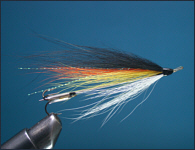 relating to a wide variety of fishing
subjects, from fly tying step by step
illustrations to tales of fly fishing on
Scottish rivers and lochs,
for salmon, sea trout and brown trout; from some
thoughts on fly lines and Spey casting to the
making of a wading stick; The merits of catch
and release in salmon fishing. relating to a wide variety of fishing
subjects, from fly tying step by step
illustrations to tales of fly fishing on
Scottish rivers and lochs,
for salmon, sea trout and brown trout; from some
thoughts on fly lines and Spey casting to the
making of a wading stick; The merits of catch
and release in salmon fishing.
There are some articles relating to
new developments
in
salmon and sea trout tube fly design,
recently condensed into a website entitled
Tube Flies; angling
club waters on the
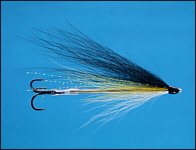 Spey, Ness and elsewhere;
steelhead fly fishing in North America and new
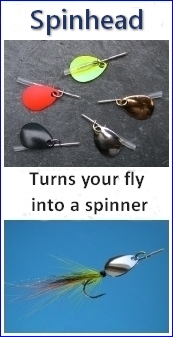
tube flies to catch them; the development of the Spinhead, a new salmon fly fishing device; sea
trout fishing on the Spey, Earn, Endrick and Avon; Gray's Loop, a new fly line leader loop;
memories of fish and fishing places in Scotland;
photographs of flies, Spey, Ness and elsewhere;
steelhead fly fishing in North America and new
tube flies to catch them; the development of the Spinhead, a new salmon fly fishing device; sea
trout fishing on the Spey, Earn, Endrick and Avon; Gray's Loop, a new fly line leader loop;
memories of fish and fishing places in Scotland;
photographs of flies,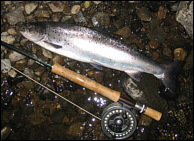 fish and fishing locations
throughout Scotland and elsewhere; salmon and
sea trout catches in recent years on the Grantown association water of the River Spey;
notes on the recent development of Grays Needle
Tubes and Tube Flies for salmon, steelhead and sea trout
fishing, developed and manufactured in Scotland by Grays of
Kilsyth; a new tube fly vice, designed to hold ultra slim
needle tubes, down to 1.5 mm outside fish and fishing locations
throughout Scotland and elsewhere; salmon and
sea trout catches in recent years on the Grantown association water of the River Spey;
notes on the recent development of Grays Needle
Tubes and Tube Flies for salmon, steelhead and sea trout
fishing, developed and manufactured in Scotland by Grays of
Kilsyth; a new tube fly vice, designed to hold ultra slim
needle tubes, down to 1.5 mm outside 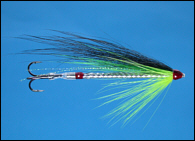 diameter,
the finest plastic lines metal tubes currently available
commercially for fly tying; step-by-step illustrated fly
tying instructions on how to tie a variety of trout, sea
trout and salmon flies, for example traditional patterns
like the Stoat's Tail salmon fly, Ally Gowans's Cascade, the
Mallard and Silver sea trout fly, and more modern fly styles
such as Scottish Shrimp tube flies, Wee Monkeys, the Fiery
Cascade salmon needle tube fly, the Black & Silver sea trout
tube fly, Irish Shrimp tube flies. diameter,
the finest plastic lines metal tubes currently available
commercially for fly tying; step-by-step illustrated fly
tying instructions on how to tie a variety of trout, sea
trout and salmon flies, for example traditional patterns
like the Stoat's Tail salmon fly, Ally Gowans's Cascade, the
Mallard and Silver sea trout fly, and more modern fly styles
such as Scottish Shrimp tube flies, Wee Monkeys, the Fiery
Cascade salmon needle tube fly, the Black & Silver sea trout
tube fly, Irish Shrimp tube flies.
I have also begun to transcribe my old fishing diaries
(see panel to the right).
|
A possible future for wild trout fishing in Scotland? |
|
There
is a series of articles on Sea Trout Fishing, a kind of Sea
Trout for Starters series (since developed into a website
about
Sea Trout Fishing on British Rivers), which may interest those thinking
about
trying sea trout night fishing, and, recently added, a
few pages showing a selection of fly fishing photographs, of
trout, sea trout and salmon fishing river and loch locations throughout
Scotland, and some of the flies used in their deception ....
and much more on a variety of fly fishing subjects.
|